Good Health & Well-being
Verified chemical safety and a well-maintained factory floor protect two groups at once: the workers who make our garments and the customers who ultimately wear them.

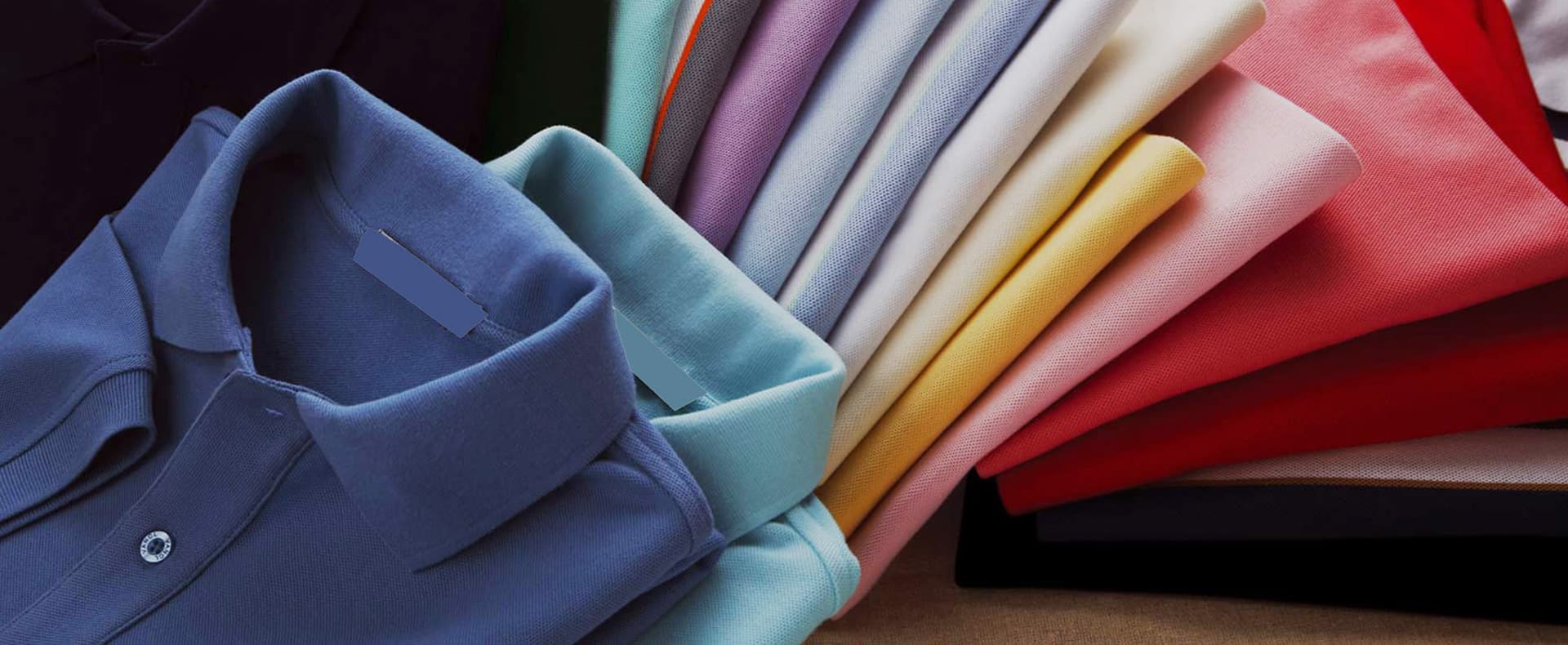
We assume responsibility for the social, ecological, and economic impact of everything we make.
We are eternally committed to the highest standards of social and environmental responsibility. We always assume liability for the social, ecological and economic consequences of our activities. Our proceedings from manufacturing to delivery demonstrate this commitment.
We align that commitment with the United Nations Sustainable Development Goals, the shared global framework for responsible business. Below are the goals our manufacturing supports most directly, and the independent certifications that back them up.
Verified chemical safety and a well-maintained factory floor protect two groups at once: the workers who make our garments and the customers who ultimately wear them.
We are committed to equal opportunity, fair treatment, and a respectful workplace for every member of our workforce.
Dyeing and finishing are the most water-intensive stages of knitwear production. We manage water use across our in-house dyeing and are committed to responsible effluent handling that protects the water sources around our Faisalabad facility.
Our BSCI-audited social compliance underpins safe, fair, and dignified working conditions for the 350+ people across our factory floor. Stable manufacturing work is one of the most direct contributions we make to our community.
Our OEKO-TEX Standard 100 certification means our fabrics are independently tested for harmful substances. We choose raw materials carefully and work to reduce offcut and finishing waste across knitting, cutting, and packing.
Keeping every stage under one roof lets us run a tighter operation. We continue to work on the energy efficiency of our machines and processes to lower the footprint of what we manufacture.
See the full list and issuing bodies on our certifications page.